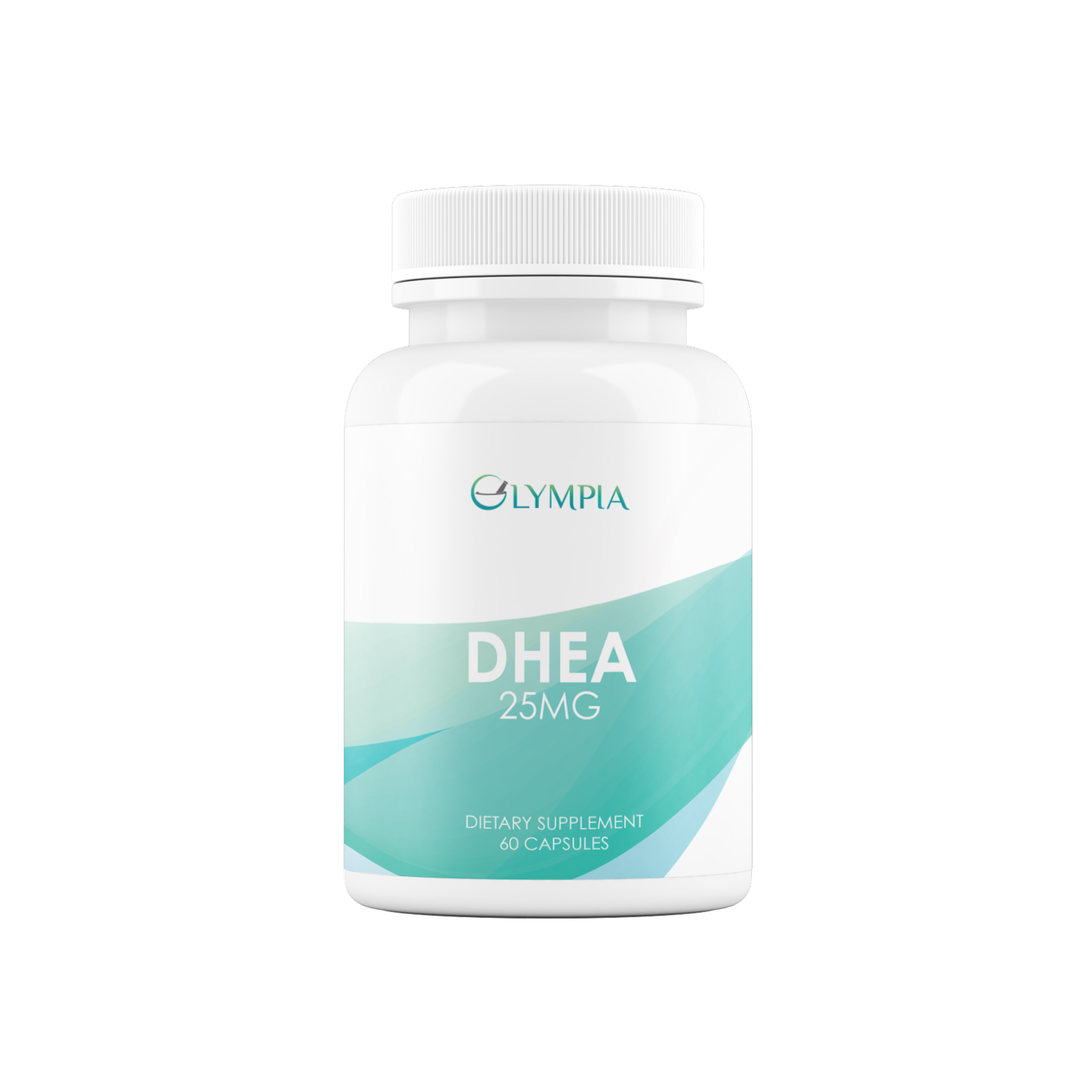
Aging and DHEA: What Science Says About Hormone Supplementation
As we age, our bodies undergo a myriad of changes, both visible and internal. One significant internal shift involves our hormone levels, which naturally decline over time. Among these is dehydroepiandrosterone, or DHEA, a hormone often touted in anti-aging circles and a popular Dhea Supplement. But what exactly is DHEA, and what does scientific research truly say about its role in aging and the efficacy of supplementation?
Many individuals seek ways to mitigate the effects of aging, from maintaining youthful vigor to preserving bone density and sexual function. The allure of "balancing hormones" as a key to better health and appearance is strong, leading many to explore supplements like DHEA. While some claims surrounding DHEA are backed by emerging science, others remain largely unsubstantiated. This article delves into the current scientific understanding of DHEA supplementation, separating fact from fiction.
Understanding DHEA: The Body's Natural Precursor Hormone
DHEA, short for dehydroepiandrosterone, is a steroid hormone produced primarily by the adrenal glands, which sit just above your kidneys. While scientists are still uncovering all its precise functions, we know that DHEA plays a crucial role as a precursor to other vital hormones. This means your body converts DHEA into more potent male and female sex hormones, including testosterone and estrogen. Its influence, therefore, can be multifaceted, driven both by the DHEA molecule itself and by the actions of these converted sex hormones.
The natural production of DHEA is robust during youth, peaking in our twenties. However, a stark reality of aging is the progressive decline in DHEA levels. This decrease can be substantial, with estimates suggesting an up to 80% reduction from peak levels throughout adulthood. The decline often begins subtly around age 30 and continues steadily thereafter. This age-related drop in DHEA has been associated with various health concerns, including an increased risk of heart disease, depression, and even overall mortality. It's this natural decline, and the potential health implications, that fuels interest in DHEA Supplements: Unpacking Benefits, Uses, and Who Needs It. When consumed as a supplement, DHEA levels in the body increase, leading to elevated levels of DHEA itself, and subsequently, its converted forms like testosterone and estrogen.
DHEA and Bone Health: A Closer Look at the Evidence
One of the most concerning aspects of aging for many is the decline in bone density, which significantly increases the risk of fractures. Intriguingly, lower natural DHEA levels are consistently associated with reduced bone density. This strong correlation has prompted considerable research into whether DHEA supplementation can help counteract age-related bone loss.
Scientific studies investigating the impact of a Dhea Supplement on bone density have yielded mixed but promising results, particularly for specific demographics. Some research indicates that taking DHEA for extended periods, typically one to two years, can lead to improvements in bone mineral density in older women. The effect in men, however, has not been as consistently observed, with many studies showing no significant benefits. It's important to note that the duration of supplementation appears critical; studies lasting six months or less often fail to show any bone density improvements. This suggests that DHEA may require a longer period of use to exert its potential positive effects on bone health, and these benefits may be more pronounced in older women, possibly due to DHEA's conversion into estrogen, which is vital for bone maintenance in women.
Dispelling Myths: DHEA for Muscle, Strength, and Sex Drive
The appeal of DHEA extends beyond bone health, with many hopeful users seeking improvements in muscle mass, physical strength, and sex drive. Given DHEA's role as a precursor to testosterone, a hormone well-known for its anabolic effects, the assumption that DHEA supplements could build muscle or boost strength seems logical. However, the scientific evidence largely contradicts this popular belief.
Muscle Mass and Strength
Despite its connection to testosterone, the majority of research consistently demonstrates that taking a Dhea Supplement does not significantly increase muscle mass or improve muscle performance in healthy individuals. This finding holds true across various age groups, from young adults to the elderly, and over diverse study durations, ranging from a few weeks to a year. While the idea of a supplement effortlessly building muscle is appealing, the reality is that established methods like consistent resistance training and adequate protein intake remain the most effective strategies. There are limited exceptions, primarily involving frail, older adults or individuals with specific adrenal gland dysfunctions, where some minor improvements in strength and physical performance have been observed.
Sex Drive and Sexual Function
Another common claim associated with DHEA supplementation is its ability to boost sex drive and enhance sexual function. As DHEA converts to sex hormones, it's theorized that increasing its levels could positively impact libido. While some individuals report anecdotal benefits, and limited research points to potential improvements in specific populations (e.g., postmenopausal women or those with adrenal insufficiency), the widespread claim for a general enhancement of sex drive in healthy individuals is not robustly supported by scientific evidence. For a deeper dive into these and other claims, refer to DHEA: Fact vs. Fiction on Bone Density, Sex Drive, and Muscle.
Who Might Benefit from a DHEA Supplement?
Based on current research, DHEA supplementation is not a universal solution. It appears most likely to benefit specific populations:
- Older Women: For improving bone density, especially over longer periods of supplementation.
- Individuals with Clinically Low DHEA Levels: Those diagnosed with conditions like adrenal insufficiency, where natural DHEA production is impaired.
- Frail Older Adults: In very specific contexts, a Dhea Supplement might offer marginal improvements in physical performance.
Conversely, young and healthy individuals generally produce sufficient DHEA naturally and are unlikely to experience significant benefits from supplementation. The body's intricate hormonal balance is often self-regulating when healthy.
Important Considerations and Safety Profile
While DHEA is naturally occurring, supplementing with it is not without potential risks. As a hormone, DHEA can influence various bodily systems, and introducing exogenous hormones can lead to side effects. These may include acne, oily skin, hair loss, unwanted hair growth (especially in women), stomach upset, high blood pressure, and changes in mood. DHEA can also interact with certain medications and may be contraindicated in individuals with hormone-sensitive cancers or other serious health conditions.
Given these considerations, it is absolutely crucial to consult a healthcare professional before considering a Dhea Supplement. A doctor can assess your individual health status, determine if your DHEA levels are genuinely low (through blood tests), and advise on appropriate dosage and potential risks. Self-prescribing hormones is never recommended and can lead to adverse health outcomes. DHEA is not a "magic bullet" for aging, and its use should be part of a carefully considered and medically supervised health plan.
Conclusion
The journey through aging is complex, and the desire to maintain vitality is understandable. DHEA, as a naturally occurring hormone whose levels decline with age, has emerged as a topic of significant interest in the world of anti-aging and supplementation. While scientific research has debunked some popular claims, such as DHEA's widespread ability to build muscle or dramatically boost strength in healthy individuals, it has also illuminated potential benefits, particularly for older women concerning bone density. The science on DHEA is continually evolving, and its role is far from fully understood. For those considering a Dhea Supplement, the overwhelming consensus points to the importance of a personalized approach, guided by medical expertise, rather than relying on generalized claims or self-diagnosis. A holistic approach to healthy aging, encompassing diet, exercise, stress management, and appropriate medical oversight, remains paramount.